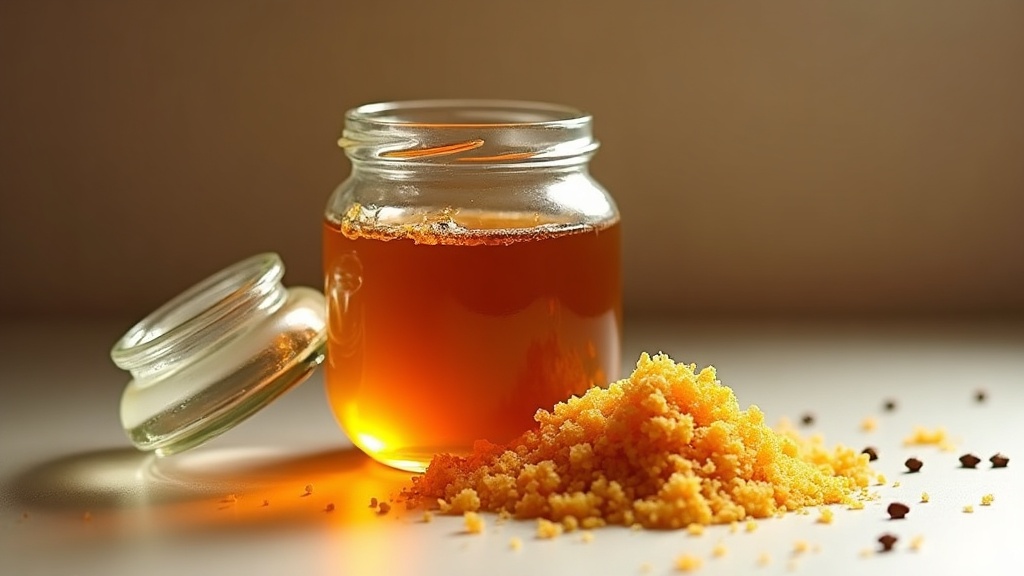
Before meal plans and apps, people leaned on simple kitchen habits. Biblical drink (oil)/ Honey blend was one of them — part of the table, not a fix for anything. This is a short, honest look at where it came from.
Some days feel manageable. Others feel like a series of small, tiring decisions. Here’s what that day often looks like.
You eat, you feel fine, and then — an hour later — the energy just drops. It's a familiar rhythm for a lot of people watching their meals.
Some days you wake up already low on energy, before the day has even asked anything of you yet.
Is this okay? Is that too much? Meal planning can turn into a constant string of small questions with no easy answers.
Deciding what goes on the plate, three times a day, adds up. It's a quiet kind of tiring that doesn't always get talked about.
A lot of food advice sounds confident but doesn’t hold up. Here are three common mix-ups.
All carbs affect a meal the same way.
Carbs vary a lot. Fiber, portion size, and what they’re paired with all shape how a meal actually feels.
Fruit is something to avoid if you’re watching your sugar.
Whole fruit is often part of a varied plate. It’s rarely a simple ‘yes or no’ — context matters, and so does your care team’s input.
A product labeled ‘diabetic-friendly’ is automatically a safe pick.
That label is marketing, not a guarantee. Reading the actual ingredients — and asking your doctor — tells you more.
Nothing complicated here — just small habits some people build into an ordinary meal.
Some people eat vegetables and protein first, saving starchier foods for later in the meal. It’s a small ordering habit, nothing more.
Eating at a slower pace gives a meal room to settle. It’s less about rules and more about noticing the meal as it happens.
A short, easy walk after a meal is a habit many people build into their evening — nothing intense, just a bit of movement.
Long before modern kitchens, oil and honey shared the table in Mediterranean and Middle Eastern cooking. Olive oil was pressed and stored in clay jars; honey was gathered and kept as a prized sweetener. Together, they showed up in bread dips, roasted vegetables, and dishes served to guests as a sign of hospitality. Old texts and traditional recipes mention the pairing often — not as medicine, but as everyday food, the kind shared at a family table or offered to a visitor.
It’s a reminder that a lot of what we eat today has a long, ordinary history — shaped by culture and the table, not by a lab.
If your energy through the day starts feeling different than usual, it's worth bringing up at your next visit with the doctor who follows your care.
Weight that shifts without a clear reason is something your care team is best placed to look into — mention it rather than guessing on your own.
If you notice your thirst or hunger patterns changing in ways that feel new, that's a good topic for your next conversation with your doctor.
Healing that feels slower than expected is worth a direct conversation with the professional who knows your history.
Any new blurriness or changes in how you see should be raised with your doctor — this isn't something to self-assess at home.
If concentration or mood shifts noticeably around meals, it's worth mentioning to your doctor rather than adjusting anything on your own.
These are individual accounts shared for illustrative purposes. Names are fictional and experiences are not typical for everyone. They do not represent a guarantee of any outcome and are not a substitute for medical advice.
Watch the video to see where Biblical drink (oil)/ Honey blend fits into everyday cooking and food culture. And whatever you take from it, keep up with your regular doctor visits — this page doesn’t replace that relationship.
Advertising Disclosure: This page contains sponsored content and affiliate links. We may receive compensation if you click a link or make a purchase through the links provided on this page. This helps support the content on this site.
Content Disclaimer: This content is for educational and informational purposes only. It has not been evaluated by the FDA and is not intended to diagnose, treat, cure, or prevent any disease. It is not a substitute for professional medical advice, diagnosis, or treatment. Always consult a qualified healthcare professional before making any changes to your diet, routine, or any prescribed treatment.
Results Disclaimer: Individual results and experiences vary. Testimonials shared on this page reflect individual accounts and are not a guarantee of any particular outcome or result for any other person.
© 2026 · All Rights Reserved